
Leading Selection of Demolition Tools for Professional Use
Choose from a curated list of essential tools and machinery designed to meet the demands of demolition services.
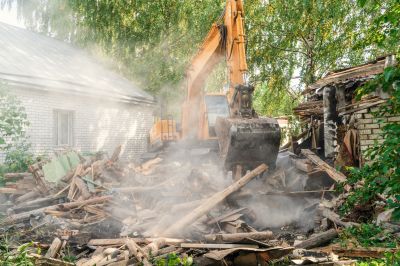 Demolition services in Freehold, NJ, require a diverse array of equipment and tools to effectively and safely carry out various projects. From small-scale interior demolitions to large structural removals, selecting the right products is essential for efficiency and safety. Heavy-duty machinery such as hydraulic excavators and demolition robots are often employed for extensive projects, allowing operators to handle large structures with precision. Hand tools like sledgehammers, wrecking bars, and pneumatic tools are indispensable for more detailed or controlled demolitions, providing versatility in different scenarios. Safety gear, including helmets, gloves, and eye protection, complements these tools, ensuring workers are protected during demanding tasks. Proper planning and equipment selection can significantly impact the success of a demolition project, making it important to understand the variety of products available and their appropriate applications.
Top Overall Option
Hydraulic Demolition Excavator
A hydraulic demolition excavator is a versatile piece of heavy machinery designed for large-scale demolition tasks. It features a powerful hydraulic system that allows for precise control of attachments such as breakers, shears, and grapples. This equipment can handle a variety of materials and structures, making it suitable for both commercial and industrial demolition projects. Its mobility and range of attachments enable operators to adapt to different site conditions, improving efficiency. When choosing a hydraulic demolition excavator, considerations include size, attachment compatibility, and operational ease to ensure it meets the specific needs of the project.
Types of Products For Demolition Service
Hydraulic Breakers
Heavy-duty tools attached to excavators for breaking concrete, asphalt, and other hard materials.
Demolition Robots
Remote-controlled machines designed for precise and controlled demolition work in confined spaces.
Wrecking Balls
Large steel balls used for knocking down structures, typically used in conjunction with cranes.
Sledgehammers
Hand-held tools ideal for breaking smaller structures or performing detailed demolition tasks.
Pneumatic Hammers
Power tools that use compressed air to deliver impactful blows for breaking concrete and masonry.
Wrecking Bars
Long, sturdy bars used for prying apart materials and removing debris.
Concrete Crushers
Portable equipment designed to crush concrete into manageable sizes for removal or recycling.
Dust Suppression Systems
Equipment that minimizes airborne dust during demolition activities to improve safety and visibility.
Safety Gear
Protective equipment such as helmets, gloves, goggles, and high-visibility clothing for worker safety.
Scaffolding and Support Structures
Temporary frameworks that provide access and support during demolition projects.
Hydraulic Shears
Attachments used for cutting through steel, rebar, and other tough materials.
Skid Steer Loaders
Compact machines equipped with various attachments suitable for small to medium demolition tasks.
Chipping Hammers
Lightweight pneumatic tools used for removing tiles, mortar, and surface materials.
Dumpsters and Debris Containers
On-site containers for collecting and transporting demolition debris efficiently.
Vibratory Plate Compactors
Tools used to compact soil and debris during site preparation after demolition.
Popular Choices
Portable tools favored for their ease of use in interior demolition and light breaking tasks.
Commonly used with excavators for versatile breaking capabilities across various projects.
Widely used for on-site concrete recycling and debris reduction.
Increasingly popular for working in hazardous or confined spaces with minimal risk.
Essential for worker safety and compliance on active demolition sites.
Effective for controlling dust during demolition activities, improving site conditions.
Preferred for manual demolition of smaller structures or detailed work.
Versatile tools for excavation, debris removal, and site cleanup.
Tools designed for cutting through steel frameworks efficiently.
Used for cleaning up dust, debris, and hazardous materials from demolition sites.
Used for compacting soil and debris to prepare sites for new construction.
Popular for precise cutting of metal structures during demolition.
Standard protective gear to ensure head safety during active demolition.
Heavy-duty containers designed for efficient debris management on-site.
Important for illuminating work areas during late or underground demolition tasks.
Key Buying Considerations
- Project scale and scope to determine appropriate equipment size and capacity.
- Material types involved, such as concrete, steel, or masonry, influencing tool choice.
- Site conditions including space constraints, accessibility, and safety requirements.
- Power sources available, whether electric, hydraulic, or pneumatic, affecting mobility and usage.
- Operator skill level and training needed for safe and effective equipment operation.
- Compatibility of attachments and accessories with existing machinery.
- Budget constraints and cost-effectiveness over the lifespan of the equipment.
- Safety features and certifications to ensure compliance with local regulations.
- Durability and maintenance requirements of the tools and machinery.
- Environmental conditions like dust, moisture, and temperature that may impact equipment performance.
- Availability of spare parts and support services from suppliers.
- Mobility and transportation considerations for large machinery on-site.
- Noise levels and potential disturbance to surrounding areas.
- Future scalability for expanding or upgrading demolition capabilities.
- Ease of operation and ergonomic design to reduce operator fatigue.